
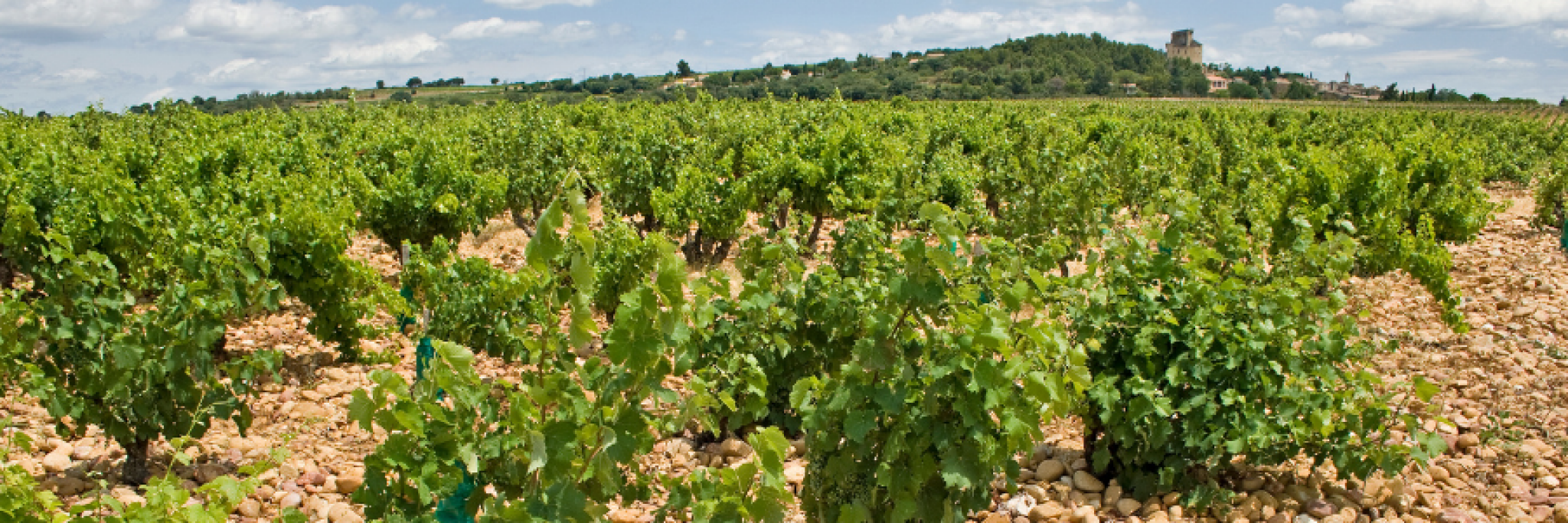
Grenache (…in France, Garnacha in Spain – where it is believed to have originated from) is a variety that many of us probably do not drink that often in a solus, single grape format – in fact we may also regularly enjoy wines where we are not even aware that Grenache is an important component part, as it is can be the vital element in a blend of grapes which create a world classic style. And the fact that Grenache is the 7th most planted vine variety in the world – at over 400,000 acres - clearly proves just how important a grape it is.
In summary, Grenache is at the centre of an amazing range and styles of wine, but it also tends to hide itself from view. To illustrate this – and to my own surprise – there are no less than 48 wines in the Peter Graham portfolio where Grenache plays either a lead or supporting role in the blend!
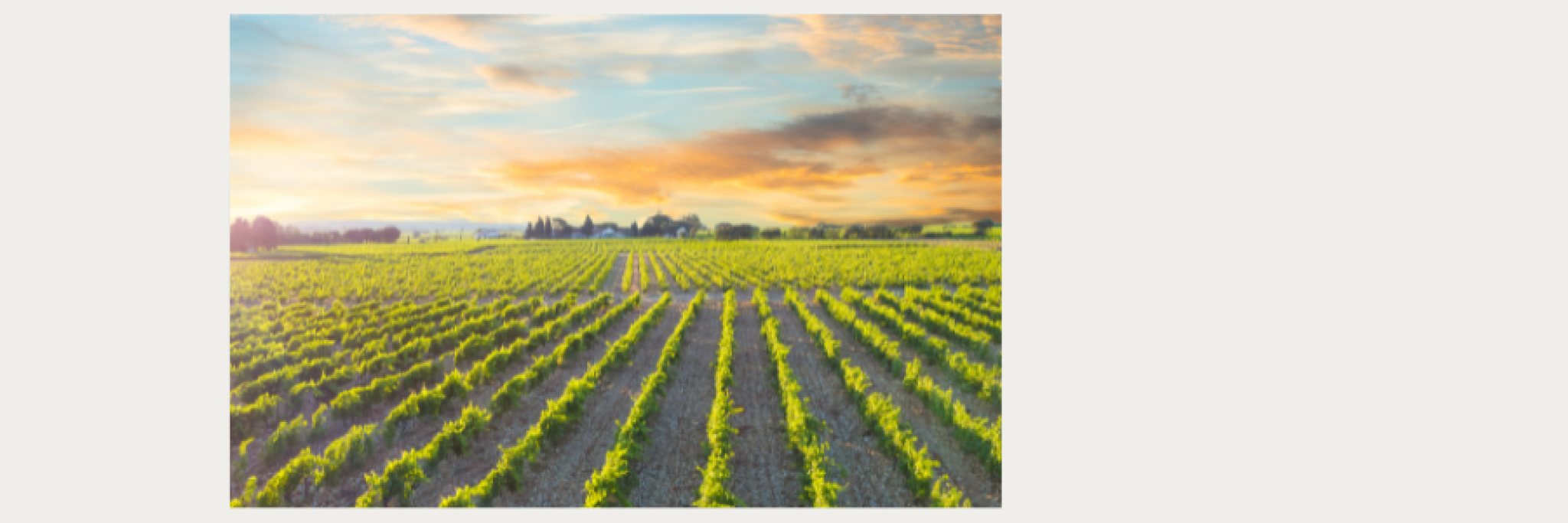
To put this introduction into context Grenache can stake a claim to be the unsung hero of the wine world and power behind the throne – and including some stellar wine styles and Appellations. Most notably it is always the main ingredient, in the world famous Châteauneuf-du-Pape, but also in one of Spain’s greatest wines and region – Priorat in the Northeast of the country. In addition, it is probably the single most important grape behind the world’s finest still rosé wines, most notably in Provence, and then, to finish its dexterity, pops up in some very alluring sweet dessert wine styles!
The world-famous Provence Rosé style (bright soft and red berry fruits) is well exampled at the renowned estate of Château d’Esclans, where the highly fashionable Whispering Angel cuvée has caught the imagination of many drinkers.
https://petergrahamwines.com/p/20-whispering-angel-cotes-de-provence
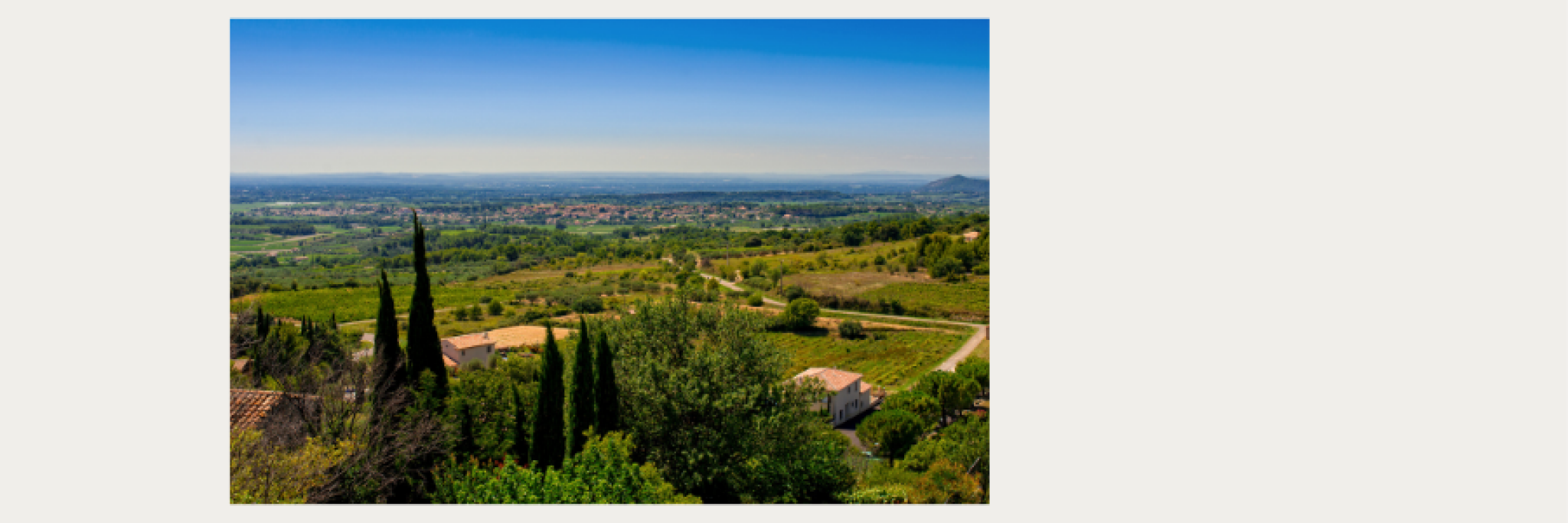
And for sheer value for money, try the Pays d’Oc Southern French Domaines Robert Vic
https://petergrahamwines.com/p/la-source-reserve-rose-les-domaines-robert-vic-pays-doc
How easy is it to grow and what are the typical smells and flavours?
Grenache does have some growing restrictions though. Because it is quite late budding and ripening it only does well in hot and dry areas – but in these it ripens to produce levels of exotic, jammy red and black fruit flavours with wonderful and broad spice notes, including white pepper, Indian spices and liquorice. And as its acidity levels are relatively modest the overall effect, in best examples, it to produce accessible, juicy, and hedonistic wines. Like many varietals its yields need to be controlled, and it can be prone to accelerated oxidation though once opened (ie if you keep it overnight) – please take note if you are pouring by the glass and ensure proper preservation systems are in place.
Such is its ubiquitous nature and quality that it also plays supporting roles in other famous wines. Examples include Rioja and Navarra in Spain, and Australian Châteauneuf models, colloquially often referred to as “SGM” s – the “G” being Grenache (the “S” Shiraz and “M” Mourvèdre). In fact, the famous Barossa area in South Australia is home to some of the oldest “bush vine” Grenache in the world.
And yes, you can still find and enjoy 100% single varietal Grenache – often from the south of France but also Australia such as the excellent silky, juicy, red berried example from the renowned Barossa house Yalumba and their Bush Vine Samuels Collection.
https://petergrahamwines.com/p/grenache-bush-vine-samuels-collection-yalumba
The reason that a lot of Grenache is grown in these bush vine trained styles is partly down to the fact that it is naturally strong and woody with an upright growth pattern. It is also, simply, because when vines are grown in arid and hot conditions, well - they just do not grow very fast. These bonsai twisted framed plants have become symbolic with the variety Grenache – most famously in Châteauneuf-du-Pape and the Barossa. And not unsurprisingly grown in these sorts of conditions yields are often, automatically, low – adding to the concentration of juice in the berries.
As mentioned, the other – maybe little realised - star role for this variety is often being the main component in many of the finest Rosé wines, for example in Southern France (especially Provence and Tavel in the Southern Rhône) and Spain (such as in Navarra, the neighbour to Rioja, as well as rosé Riojas themselves). With its thin and relatively light colour pigmented, lower tannin skins it delivers a bold and silky mouth feel and above all fruity rosés with hauntingly pale colour and alluring red berry and soft red fruits flavours.
From easy drinking, more everyday styles, Grenache can elevate itself to world class wines of incredible levels of richness and savouriness. As reviewed already, the top two examples in the world include the well-known region of Châteauneuf-du-Pape and maybe the less well-known Spanish region of Priorat in Catalunya. Here gnarled old Garnacha forms the fundamental basis of the blends which make the finest Priorat wines (usually blended with Cariñena (aka Samsó in the region)), which is Carignan in France!). Grown in arid land on the schist and silica soils called locally llicorella these are serious challenges to the best of the southern Rhône with their spicy and full-bodied black fruit character and dried fruit intensity – not unlike an Italian Amarone in a way.
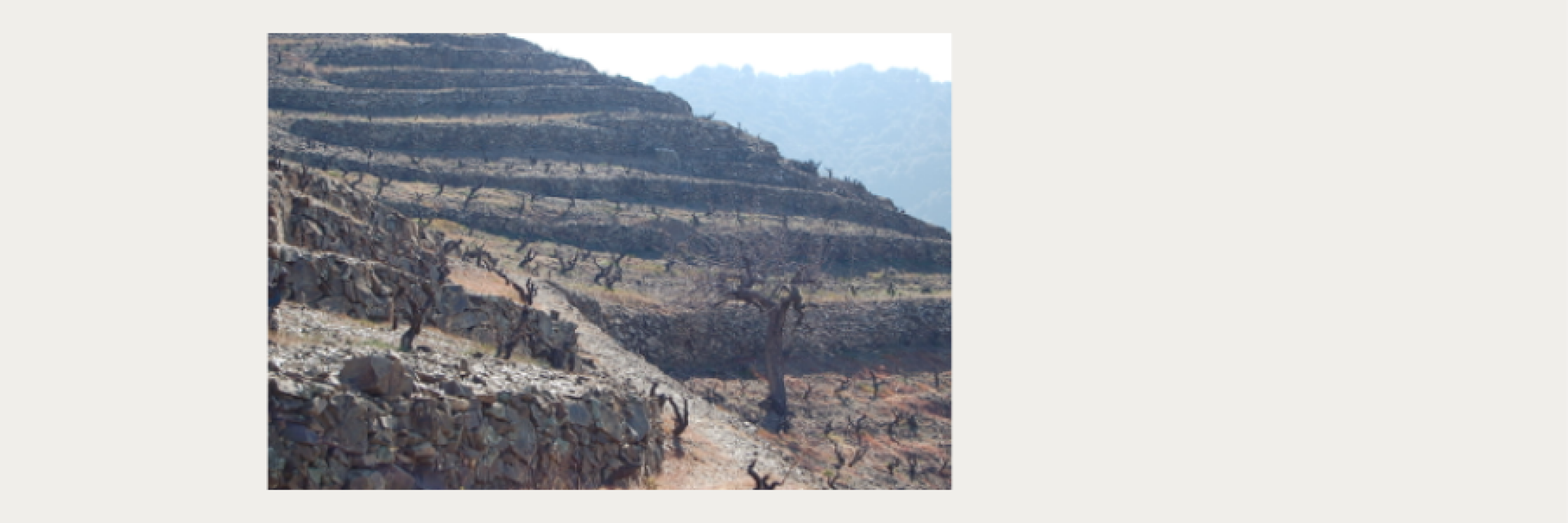
Priorat – terraced, old Garnacha bush vines in the famous llicorella soil
Do try this new and exciting Priorat from Vol de Laliga to see what all the fuss is about.
https://petergrahamwines.com/p/vol-de-laliga-doq-priorat-red
in Catalunya, and northeast Spain Garnacha is widely grown (in fact it is the second most planted black variety after Tempranillo in the country) and makes for numerous easy drinking and juicily fruity examples. The Campo de Borga region specialises in these sorts of wines, and the Monte Oton is a fine example offering excellent value for money and a by the glass option.
https://petergrahamwines.com/p/20-garnacha-monte-oton
Back to the Southern Rhône - if you love Châteauneuf-du-Pape but would like to enjoy similar Grenache based styled which are more affordable and every day – almost like a Russian Doll effect - then there are the ever reliable generic Côtes-du-Rhône. Top satellite districts around Châteauneuf-du-Pape include
- Gigondas
- Vacqueras
- Rasteau
3 cracking Russian Doll examples are below – the Clavel Regulus Côtes-du-Rhône is another excellent example to pour by the glass; the Gigondas Domaine de Font is ripe and savoury, and the Châteauneuf-du-Pape is a classic, rich and spicy wine from a top Domaine – Chante Cigale.
https://petergrahamwines.com/p/19-clavel-regulus-rouge-cote-du-rhone
https://petergrahamwines.com/p/gigondas-tradition-domaine-de-font-sane
https://petergrahamwines.com/p/19-chateau-du-pape-chante-cigale-red
And there are some twists in the tale with Grenache – it has two close cousins Grenache Gris, with its coppery skin, and the green skinned white version Grenache Blanc. Although nowhere near as widely planted as Grenache Noir they provide for an interesting diversion and soft juicy, almost dried stone fruit richness and gentle spice for a white partner.
And finally, Grenache is also behind some of the finest (mainly gently fortified) red and white dessert wines in the south of France. Here late harvested, ultra-ripe Grenache berries (both black and white versions) produce sweet (but not too sweet) wines with wonderful cherry and strawberry liqueur-like qualities in the reds – great as an after-dinner drink in the own right but also some of the few wines of the world which genuinely work well with chocolate! The white versions have intense smell and flavours of candied citrus fruits and dried stone fruit with a touch of spice.
Top regional examples include Banyuls (near the Spanish border), Maury and Rivesaltes (in the Roussillon) and Rasteau in the southern Rhône. Banyuls drinks not unlike a good quality port but without the spirit “kick” that port can have. Try with cheese as well chocolate dishes.
So, to finish two fine and classic examples – the Rivesaltes from Château Lauriga an aged Grenache Blanc with exotic flavours and a refined red Banyuls from Domaine Blila-Haut and Chapoutier with lovely black fruits, soft spice and chocolate notes. I would recommend you look at these if you don’t have a dessert wine option or want to broaden your selection. Both serve well chilled in small measures (eg 75ml) they also last for many days in the fridge, so ullage issues are minimised.
https://petergrahamwines.com/p/15-riversaltes-chateau-lauriga-ambre-hors
https://petergrahamwines.com/p/15-banyuls-vin-doux-naturel-selection
Overall, I think Grenache should be more broadly appreciated and recognised for its outstanding qualities, but also its sheer diversity and adaptability to various styles and qualities. It offers tremendous value for money too at all levels.


