


PGW SPARKLING WINES ROSÉ PORTFOLIO
The fourth in the series looking at key pouring and volume limes in the On Trade – this time Rosé wines. The Rosé section of any On Trade outlet these days is more important – and is more established than ever before. But I think you can still make more with this section, without a lot of effort.
Let’s start though with some well-established facts, key criteria, and boxes ticked
- Rosé wines are now enjoyed throughout the year
- However, you will of course, sell more in the summer and warmer months
- Certain origins and brands have become well known and enjoyed by consumers eg Provence Rosé, “Blush” (pink) Zinfandel
- Sparkling rosé – especially Champagne – enjoys a genuine perception of being premium or prestige
- The depth of the pink colour is seen as a measure of quality by many consumers – especially with the “paleness” of Provence rosé
I feel most wine lists, these days, cover or cater for these aspects


The Multiple Hues of Rosé Wines – Can You Spot the Provence?
Areas to Develop – Making More of Your Rosé Section?
- Such is the focus on Provence Rosé that many New World examples are often overlooked. These are usually deeper in colour and more exuberantly fruity in nature, but you should not be put off by that they have a place and a role – please see note too below re food matching
- Pinot Noir – as a variety - can make some seriously good rosé wine they really are worth exploring – and, not least, Pinot Noir is one of the varieties of the moment with drinkers
A cracking example which captures both New World brightness of fruit and the delicacy and red berry burst of Pinot Noir is the Allan Scott Pinot Noir Rosé from Marlborough New Zealand
https://petergrahamwines.com/p/rose-estate-allan-scott
- Expand your sparkling selection, especially in the summer and warmer months
- add a Prosecco Rosé if you have not already done so
- an English sparkler is a must these days – and by the glass
- offer a Champagne Rosé (as well as the white) by the glass too
- you can always cut back your by the glass offering in the winter
A long-established favourite with us is the superb Flint Vineyards Sparkling Norfolk Rosé bursting with English summer pudding fruit flavours
https://petergrahamwines.com/p/21-charmat-rose-flint-vineyard
- Have a look at Spain they are as passionate about Rosado wines as anyone is in Provence where the same main grape – Garnacha (Grenache in France) is the main constituent
A lovely Spanish example to try is the Campo Nuevo de Viana from the Rioja neighbouring region Navarra. Navarra is considered by many to be the home of the Spanish rosados and made from Garnacha it is a fuller bodied, food friendly style with a mix of strawberry and raspberry fruits
https://petergrahamwines.com/p/garnacha-rose-campo-nuevo-principe-de-viana
Rosé Wines and Food
This is arguably the area that most wine lists miss out on. Link and promote Rosé wines with food and dishes on your menu – these wines are ideal with lighter dishes, and they are more than just warm day “quaffers”. This is where those riper New World examples can come into play, such as with that classic example – classically Salade Niçoise. Other ingredients and dishes which work well include:
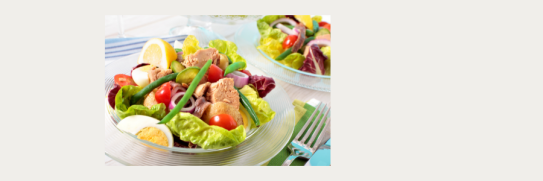
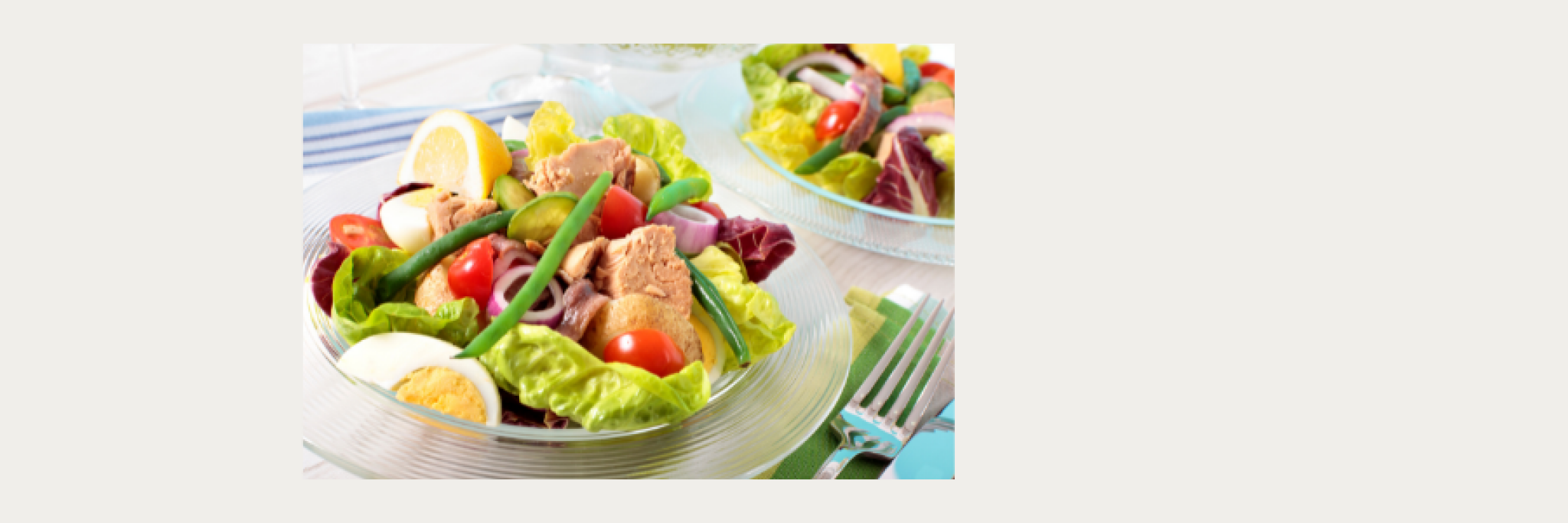
Salade Niçoise – perfect with Rosé wine
- All salads and lighter starters
- Charcuterie
- Hummus and Pita bread!
- Salmon, Sea Trout, Tuna, and most Shellfish dishes
- Paella
- Pasta dishes with lighter sauces
- Chicken and Pork
- Ratatouille
- Bruschetta
- Certain cheeses such as Feta, Goats, Mozzarella
- Even some gently spiced eg a green Thai curry
In general, the richer the food and dish the riper and fuller bodied the rosé you can pair with it.
The Zinfandel Twist – (Southern) Italian Rosés (Rosato)
You may well have the American “blush” Zinfandel on your list – this is a popular style with its burst of watermelon fruit but also that level of residual sugar which is pleasing for those who like a little sweetness in their wine. What many may not know is this grape is the identical species to Primitivo from Puglia in the “heel” of southern Italy. Here too, the whole region specialises in rosé wines from that and other local grapes – and often like the American version with a touch of residual sugar. I would therefore recommend you look at the Sea Change example made from the sister Negroamaro grape – it has lovely summer fruits notes and plenty of softness
https://petergrahamwines.com/p/sea-change-rose
Serving Rosé Wines
Subject to ambient temperature, of course, Rosé wines should always be served chilled but not over chilled as this tends to neutralise their delicate aromatics and flavours – especially when pairing with food. 8-12°C is a good temperature range, maybe a bit colder on a very hot day.
And pour in a good quality white wine glass – the aromas of many rosé wines are attractive, and this shape helps to elevate those notes.
I very rarely, if ever, hear anyone say, “I don’t like Rosé wine”. This really is a section of your wine list to set free, and incremental glass and bottle sales are there to be banked without a huge amount of work on your part.


