
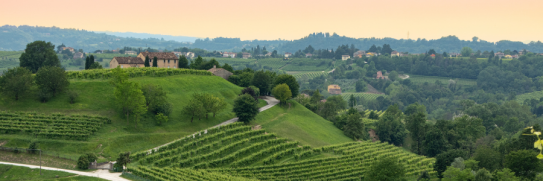
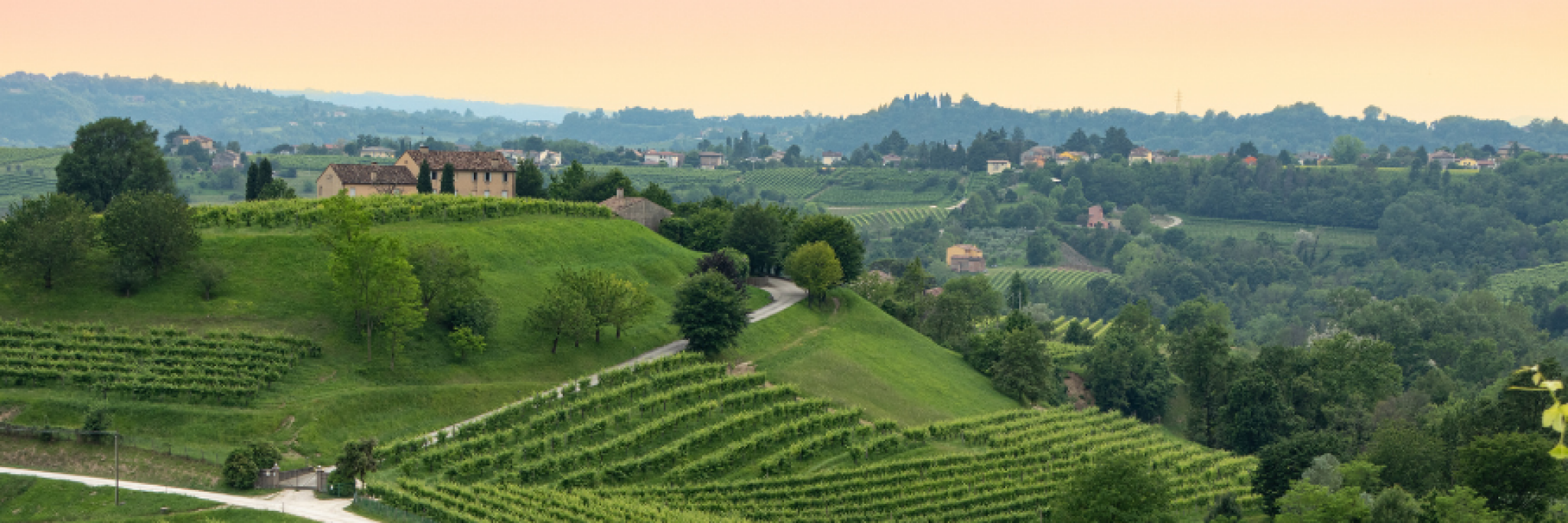
The third in the series looking at key pouring and volume limes in the On Trade and following on the heels of the look at Prosecco a couple of months ago a logical option would be Pinot Grigio – not least as the same region – Veneto – is the prime source for this grape and wine. The very name has become a “brand” to such an extent that some consumers who drink Pinot Grigio do not always realise that is named after the grape.
Pinot Grigio – and by that from Italy – remains a driving force for UK drinkers in all trade channels. In the last 20 years sales have literally exploded and continue to climb - it remains a bedrock pouring line in the vast majority of On Trade outlets. The grape is grown in numerous regions in Italy but it’s the Veneto in the northeast that remains the largest production source. This area accounts for well over 50% of all Italian PG sales (often under the generic banner of “Venezie”).
75% of sales are for the White version with the rest being predominantly the Rosé (Rosato). version (more about that later).
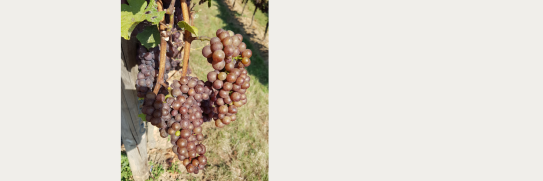
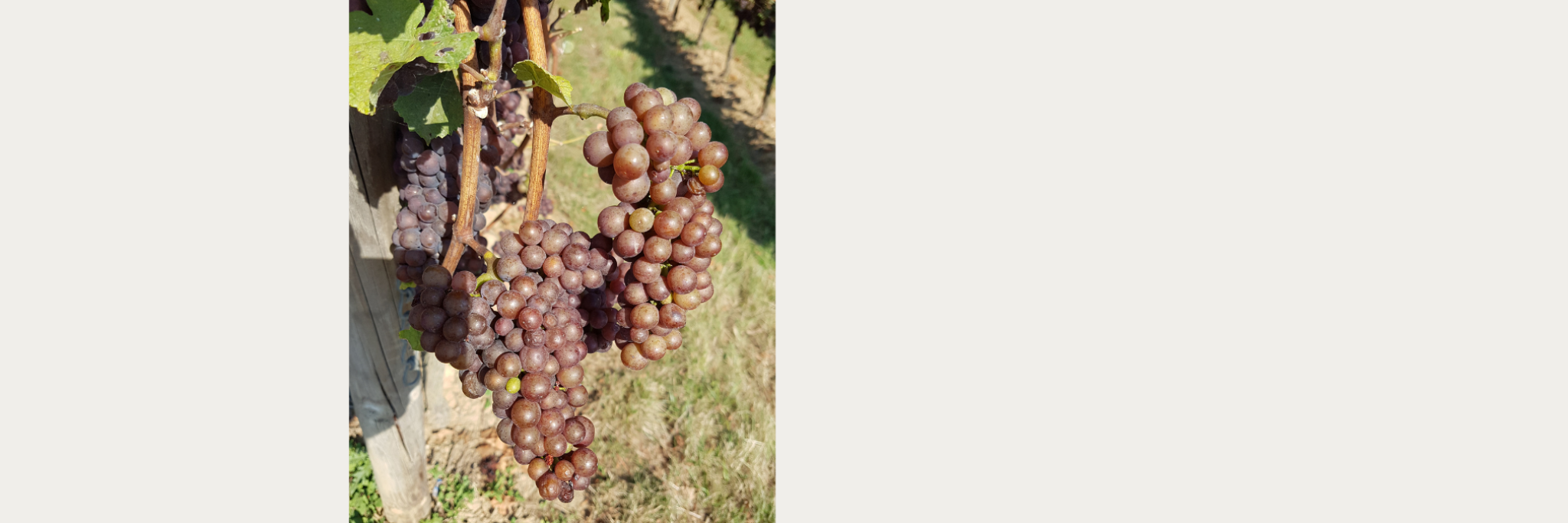
The first recordings of the variety were in Europe in the early 14th Century when it was grown extensively in France, Switzerland, Germany and Hungary. In the 18th and 19th Centuries it was a popular planting in both Burgundy and Champagne before falling out of favour. Today, the grape is grown around the world with plantings more than 100,000has so it is pushing towards the top 10 of all global varieties. In France it is called Pinot Gris – the appendage in the name in both Italian and French refers to the colour “grey” as the grape when it ripens takes on a coppery coloured hue in its skins (please see picture). This is because the grape is a genetic mutation of Pinot Noir (which occurred centuries ago) and its DNA pool still harbours some black grape genes.
The variety performs best in cool and moderate temperature regions. Stylistically the grape falls into two distinct groups –
- The early picked “Pinot Grigio” free run juice fermented in stainless steel with blocked malolactic and no oak – the emphasis is on freshness, crispness, moderate alcohol, with notes of orchard fruits and maybe a touch of lemon – a lighter bodied and easy drinking apéritif style. This is exemplified by the Italian take on the grape
- The later harvested “Pinot Gris” – juice (including maybe skin contact) fermented in stainless steel or older oak barrels, with blocked malolactic, but quite likely lees aging, more exotic fruit flavours including quince, even mango and subtle spiciness with much more texture, creaminess, lower acidity, and higher alcohol - maybe even some residual sugar – fuller bodied and much more a food oriented style especially oriental and Asian style dishes as well as items such as pâté. This is most classically associated with the Alsace style in the northeast of France. In the Alsace the grape is very important, accounting for over 15% of all plantings by area - and along with Riesling and Gewurztraminer makes up the trio of the most important “noble” varieties in the region
- Growers and producers around the world have the option to mimic both styles and often label them accordingly. The grape is found in all New World countries but both Oregon (where it was first planted in 1965) and especially New Zealand recently appears to be championing the grape. Here the grape is now third most planted white grape after Sauvignon Blanc and Chardonnay. Germany also grows the grape often making a sort of intermediary style. Here it is called Grauburgunder
Pinot Grigio Rosé?
As you well know this has become an increasingly important sales line and a natural partner to the white. Because of its Pinot Noir heritage and cooper-coloured skins when ripe it is relatively easy to make a rosé version by leaving the juice in contact with the skins either pre or during early fermentation. This usually lasts for between 18-36 hours depending on the depth of rosé colour the winemaker is looking for. This process also assists in lifting the aromatic notes in the final wine.
Criticism of Pinot Grigio?
In certain circles there is a concern about the quality and style of Italian Pinot Grigios – for some, poorer examples can be so “neutral” in character that they question how and why they have been produced and for whom and which markets. It is a conundrum because the most basic examples are indeed neutral with virtually no aromatic quality and a simple, diluted almost confected fruit flavour. But there is a paradox here as, for certain consumers, this level of neutrality is seen as a positive as they are not looking for big, oaky, textural white wine.
In Italy they do indeed produce more complex and refined styles of Pinot Grigio – away from the warmer flatland Veneto plains these are found in the elevated cooler climate regions of the northeast such as Alto-Adige, Friuli, and Collio where the grape can achieve greater intensity of aromatics and fruit favours without loss of freshness and crispness. However, translating these wines into sales has proved challenging as the impulse that an existing Pinot Grigio drinker would naturally be interested to migrate to these styles has not been met in commensurate volume sales. Equally there has been, to date, little crossover with the same consumer to try the richer Pinot Gris style even when encouraged to do so with menu matches. In effect, the everyday Pinot Grigio drinker and (maybe to call) the “more experienced” Pinot Gris drinker are two completely different animals and markets. Maybe the halfway house is indeed the New World offerings especially those from New Zealand?
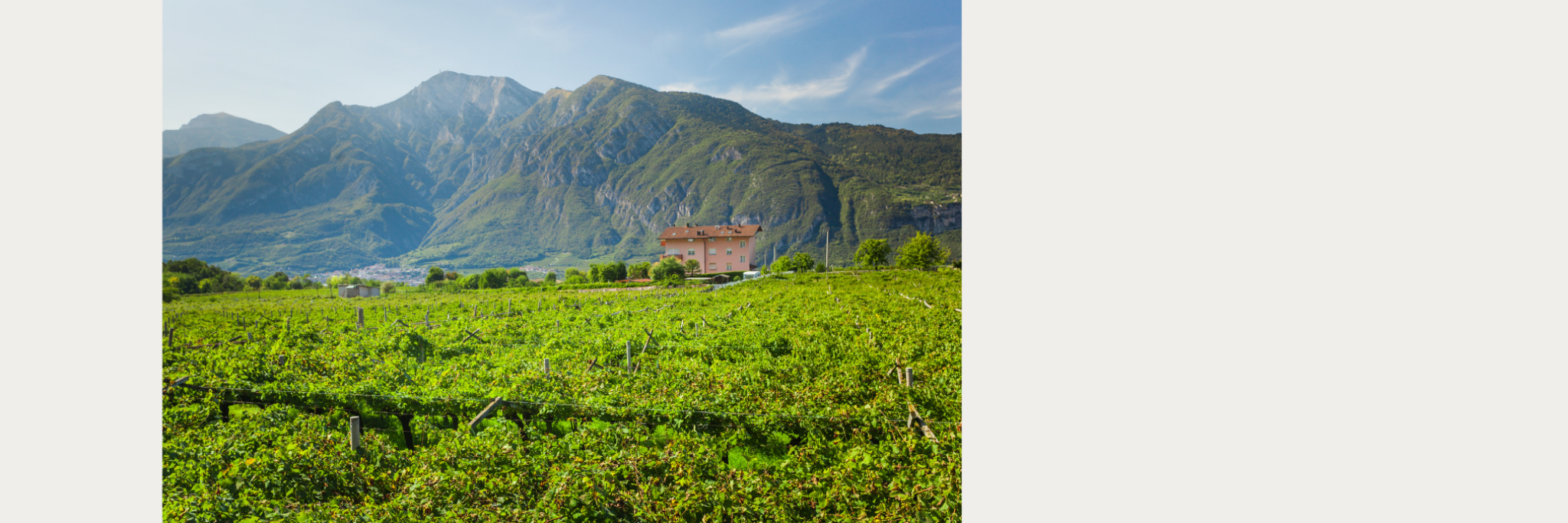
Higher Altitude Pinot Grigio Vineyards – here in Alto Adige
Food & Wine Pairing Options?
I feel that for the standard Italian Pinot Grigio style this really is designed to be an easy drinking apéritif drink – maybe best drunk on its own. But it will still work well with canapés, nibbles, and lighter snacking dishes including shellfish for example.
With the richer Pinot Gris style food options really do open up. As mentioned earlier these wines work a treat with any spicy or savoury dishes – classically Chinese, Thai, Indian cooking and dishes – a simple example being a chicken curry. Equally they work brilliantly with that everyday favourite starter pâté served with toast or brioche bread. In general, an excellent match with numerous savoury umami dishes.
And finally …
For the moment there is little evidence of the everyday wine drinker tiring of Pinot Grigio – in fact it might be argued that those who do tire or move onto more complex styles and wines are quickly replaced by new entrants into the wine drinking market who enjoy the simple pleasure of Pinot Grigio as part of their initial discovery of wine as a beverage. It’s easy to appear snobby here and it should be acknowledged that this style of wine is probably a fundamental starting point for many consumers in experiencing and enjoying the world of wine. In that respect it must be given the credit it deserves.
What I would encourage you to consider as retailers is looking at stocking both styles and with a little staff training and in house promotion encourage customers to trial the Pinot Gris style - especially when dining with you, maybe via direct food and wine pairing suggestions in print?
Some stand out wines from the Peter Graham portfolio
I would like to highlight 4 wines in particular which I think could make for an inventive and productive manoeuvre.
Two neat Italian examples (white and rosé) with freshness and zip, and a bright fruit profile in each case
Then a classic, creamy, food friendly style from Hugel one of the oldest and most respected Alsace producers. Finishing with lovely “half-way” house (stylistically) from the gregarious house of Allan Scott in Marlborough - a lovely textural style with a nice touch of spice.
https://petergrahamwines.com/p/pinot-grigio-ca-tesore
https://petergrahamwines.com/p/rosa-bianca-pinot-grigio-rosato
https://petergrahamwines.com/p/16-pinot-gris-hugel-estate
https://petergrahamwines.com/p/pinot-gris-allan-scott-estate


